Fifth-Year Cases · NCAA Eligibility
One More Season.
We Take It to Court.
The NCAA’s five-for-five rule gave a fifth season to nearly everyone except the class of 2022 and athletes whose junior college seasons were counted against them. We file fifth-year cases against the NCAA in state court, and we have won emergency orders that put athletes back on the field.
6 cases in 3 states since August. 6 temporary restraining orders, 5 preliminary injunctions, and one affirmed on appeal. Tell us where you stand, and we will tell you honestly whether you have a case.
Free Case Review
Do You Have a Case?
Two minutes. Starred fields are required.
Our Footprint
Where We Have Filed.
6 fifth-year cases in 3 states, and athletes advised in 17 more states and D.C.
Updated November 16, 2026.
Who This Is For
Caught in the
Donut Hole.
The class of 2022 competed four straight years against opponents holding COVID-era bonus seasons. Then the NCAA adopted an age-based model on June 23, 2026 that gave nearly everyone a fifth season, and left them out.
Not sure you fit? Fill out the form anyway. Eligibility histories are rarely clean, and the details decide these cases.
- You graduated high school in 2022 and played four seasons, the class the NCAA’s five-for-five rule left out.
- Your junior college, NAIA, or Division II seasons were counted against your Division I clock.
- You lost a season to injury and the medical hardship was never filed, or was denied.
- You compete in any NCAA sport, fall, winter, or spring, in Division I or Division II.
- You have, or can realistically get, a roster spot and enrollment for the season you want back.
Where the Law Stands
What Is Working Now.
State Court Is Where It Is Working
Federal antitrust claims have now lost in five federal circuits, and on November 6, 2026 the Tenth Circuit vacated the nationwide Wisne class injunction. Contract and state-law claims in state court are a different story: they are holding in New York, Ohio, Indiana, Louisiana, and California. That is where we file.
Your Own Case, In Your Own Name
Athletes who relied on a class case they did not control lost their seasons twice: once when the Wisne injunction was stayed, again when it was reversed. A case with your name on it, your facts, and your record behind it is the path that is still open.
Built to Survive the Appeal
The NCAA appeals the orders it loses, and appellate courts have vacated orders granted on a thin record. We build the record for the appeal from the first filing. One of our New York injunctions has already been affirmed on appeal.
Plan for the Second Gate
Winning against the NCAA is one question. Your school, your conference, and your roster are three more. Conferences have gone to court to keep the right to refuse to play eligible athletes. We work those questions before we file, not after the order issues.
How a Case Runs
From First Call to Game Day.
Fifth-year cases move fast because seasons do. Courts set their own calendars, so every week you wait comes out of the time we have to build your record.
- 1
Case Review
Days 1 to 7
Eligibility audit, competition history, enrollment and roster status, any professional contracts, and the choice of court. If we take the case, you sign a written engagement with the fee spelled out.
- 2
Filing
Week 2
Verified complaint, sworn declarations, and the emergency motion. Local counsel engaged wherever the case is filed.
- 3
Emergency Hearing
Days After Filing
The temporary restraining order is usually heard within days. The preliminary injunction hearing follows, and that is the order that carries you through a season.
- 4
Roster and Appeal
Through the Season
Enrollment, roster, and conference coordination with your school’s compliance office. If the NCAA appeals, we defend the order.
Spring 2027 Athletes: The Clock Is Running.
Baseball, softball, lacrosse, track, golf, tennis, and rowing open in February. To be heard before practice starts, most spring cases should be on file by mid-December, before the holidays slow the courts.
Our Experience
In These Cases
Since the Rule Passed.
- Filed 6 fifth-year cases against the NCAA in 3 states, in state court on contract and state-law theories.
- Won temporary restraining orders in New York, Ohio, and Rhode Island, and preliminary injunctions in New York and Ohio, including the first preliminary injunction of its kind in New York and an injunction affirmed on appeal.
- Won a TRO in Rhode Island Superior Court on a student-athlete’s third-party standing to enforce the NCAA’s eligibility rules, arguing both the TRO and preliminary injunction hearings.
- Advised athletes, families, coaches, and agents on NCAA eligibility in 17 more states and D.C.
- Rebuilt NCAA fifth-year waiver appeals from the bylaw down, wrote the free 31-page advisory Caught in the Donut Hole, and maintain a public NCAA litigation tracker.
Read the free advisory, the case studies A Career That Never Started Healthy and Five Seasons In, or the NCAA litigation tracker.
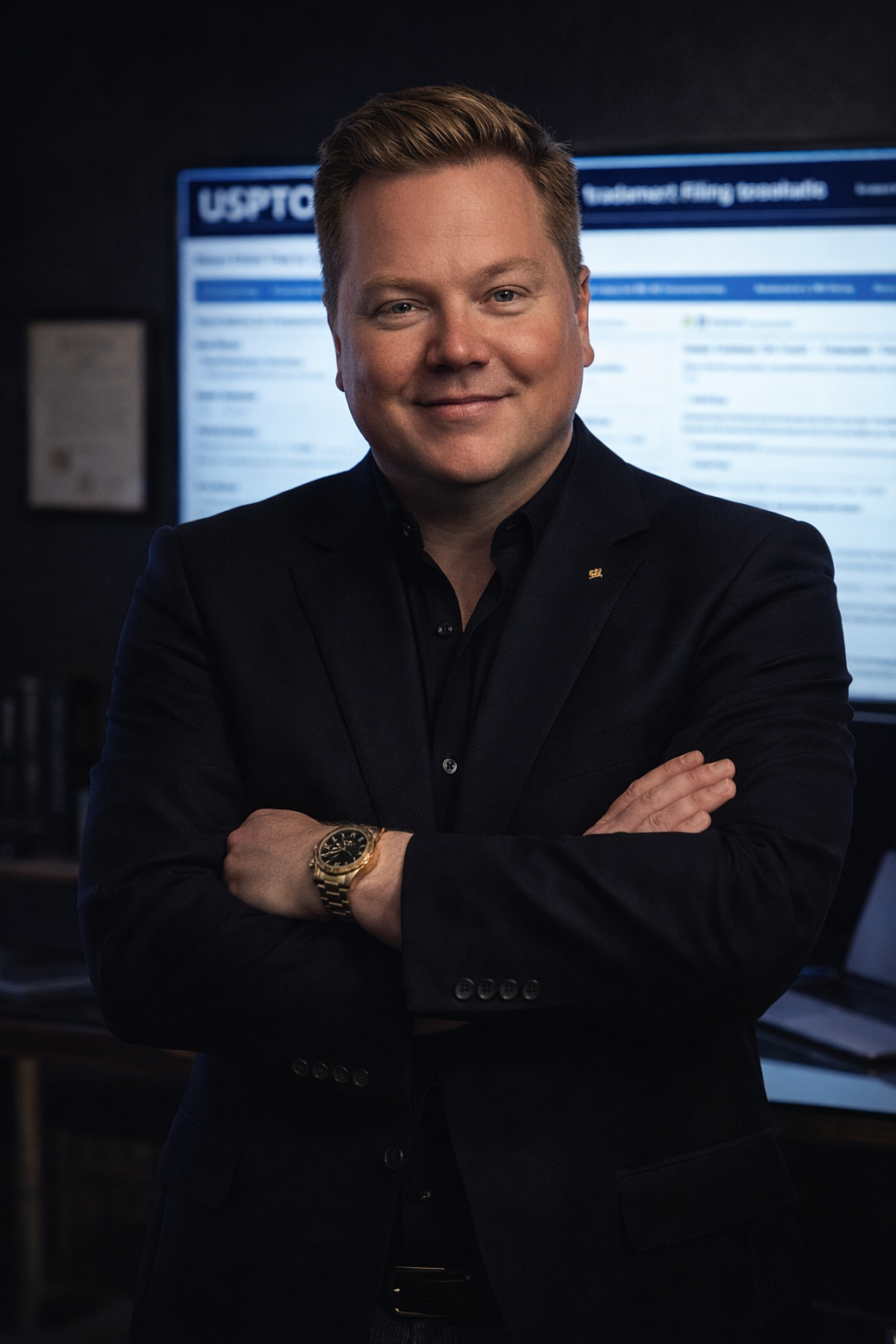
Brandon Leopoldus, Esq.
Brandon spent years on the field as a professional baseball umpire before he practiced law. He now teaches sports law, sits on the board of the Sports Lawyers Association, and leads a firm that works one side of the table: the athlete’s.
- Board of Directors, Sports Lawyers Association
- Adjunct Professor, Sports Law, Loyola Law School
- Former Interim General Counsel, D.C. United (MLS)
- Former Professional Baseball Umpire
Fees
Flat Fees. In Writing.
Before We File.
In qualifying cases, we quote a flat fee for each stage of the case: one through the emergency hearing, and one through the start of your season. You know the number before anything is filed.
Local counsel, expert, and court costs are itemized up front. If the NCAA appeals or the case grows past the emergency stage, you hear what that costs before it happens. Some cases do not fit a flat fee, and we tell you that on the first call.
The Honest Assessment
What We Will Not Promise.
Federal antitrust claims have lost in five federal circuits, including the Tenth Circuit’s November 6 reversal of the nationwide Wisne injunction. State appellate courts are split: some have stayed athlete orders, others, including the appellate court in one of our New York cases, have upheld them. An order against the NCAA also does not guarantee a roster spot, a conference that will let you play, or playing time.
No lawyer can guarantee your fifth season, and you should be wary of any who does. What we promise is a straight read on your odds, a case built to survive the appeal, and a plan for the school and conference questions. If your case is not worth filing, we will tell you so.
Questions
What Athletes Ask First.
The NCAA waiver deadline passed. Is it too late?
No. The July 31, 2026 waiver deadline closed a school-controlled administrative process. It does not limit a lawsuit. The deadline that matters now is the start of the season you want back.
Can I just join the class action?
The national class injunction in Wisne was vacated by the Tenth Circuit on November 6, 2026, and the class motion for athletes it left out has not been granted. A pending class is not a roster spot. Relief in your own name is now the path that works.
Do I need a school lined up first?
It helps a great deal. Courts weigh real, immediate harm, and a written roster offer or a coach who will say you have a spot is strong evidence of it. If you are still talking to programs, tell us; we can work that in parallel.
I play a spring sport. When do I need to file?
Most spring seasons open in February and practice starts before that. To be heard before then, most spring cases should be on file by mid-December, before the holidays slow the courts. The earlier you call, the stronger the record we can build.
I was drafted, or signed a professional contract. Can I still file?
Tell us on the form. It is a separate problem with real money attached, and walking a contract back is a condition of competing, not an afterthought. It does not end the conversation, but it changes the plan.
Where would my case be filed?
Usually where you live, where your school sits, or where the strongest law is for your facts. Brandon Leopoldus is admitted in California; everywhere else we file with local counsel admitted in that court.
What does it cost?
In qualifying cases, a flat fee for each stage: one through the emergency hearing and one through the start of your season. Local counsel, expert, and court costs are itemized up front. Some cases do not fit a flat fee, and we tell you that on the first call.
The Season Will Not Wait.
Start with the free case review, book a call, or ring the office directly at (323) 682-0511. We follow every ruling on the NCAA litigation tracker, so you start the call knowing where the law stands that week.
Attorney Advertising. Prior results do not guarantee a similar outcome. Brandon Leopoldus is admitted to practice in California; matters outside California are handled with local counsel admitted in the relevant court. This page is general information, not legal advice, and submitting the form does not create an attorney-client relationship. Case status described here is current as of November 16, 2026 and changes often.